Arrested for DUI in Washington? The licensing hearing has its own deadline and its own bill
- Subject
- Hiring and paying for criminal defence representation on drunk driving charges in Washington State
- Editor
- The UCumberlands Online team
- Subject
- Hiring and paying for criminal defence representation on drunk driving charges in Washington State
Two proceedings from one stop
A Washington DUI arrest triggers a criminal case in court and a separate administrative action against the driver's license. They have different decision makers, different rules and different timelines.
The clock starts at arrest
The window to request a Department of Licensing hearing is counted in days from the date of arrest, not from arraignment or from the day charges are filed. Waiting for the court date is how the deadline gets missed.
The notice looks like paperwork
The document that starts the administrative clock is often handed over at the roadside or on release from jail, mixed in with other forms. It is worth reading the same day rather than filing it away.
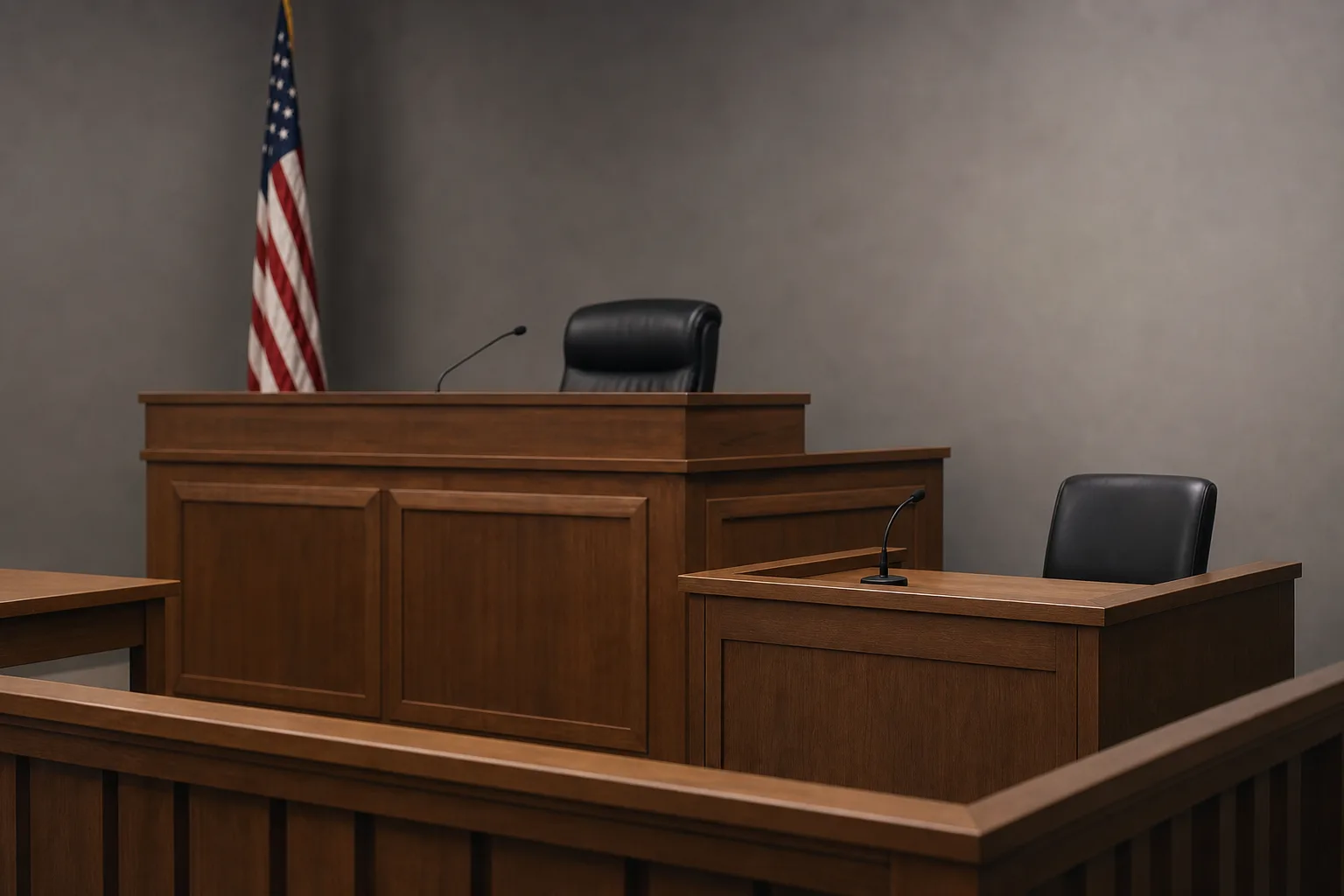
The hearing officer decides on the more-likely-than-not standard, a lower bar than the criminal trial's proof beyond a reasonable doubt. That difference shapes both strategy and cost.
An arrest for driving under the influence in Washington opens two separate proceedings, and only one of them waits for the courts. The criminal case moves at the pace of arraignment calendars, discovery requests and continuances, sometimes over many months. The administrative action against the driver's license moves immediately, on a deadline counted in days from the date of arrest, and it does not pause because a defense attorney has not yet been retained. A reader comparing retainer agreements from several King County firms will usually find the two priced apart, and the separation is where the money and the risk both sit.
Two files, one arrest, and only one that waits
The Washington State Department of Licensing administers the suspension that follows a breath or blood test result above the legal limit, or a refusal to test. That action is civil and administrative, not criminal, and it proceeds on its own authority regardless of what the prosecutor eventually files or declines to file. A driver can be acquitted in court and still carry a suspension from the licensing side, because the two forums answer different questions. The paperwork handed over at the roadside or at the jail is the notice that starts the clock, and it is easy to read as a receipt rather than a summons.
What a careful reader checks in the retainer agreement
The first thing worth locating in a fee agreement is whether the administrative hearing is named at all. Some agreements include the hearing request, the hearing itself and any subsequent appeal within the quoted figure; some include only the request and bill the hearing separately; some exclude the licensing matter entirely and say so in a single clause near the end. The second thing to locate is who files the request, and by what date. The third is whether the statutory hearing fee is included in the attorney's number or paid by the client on top of it, because that fee is owed to the state, not to the firm.
A fourth question, less often asked, is what happens to the hearing fee and the attorney's portion if the client decides not to contest the suspension after the request has been filed. Refund terms differ, and they are usually written plainly once you find them. Because both the deadline and the fee amount have been changed by the legislature over the years, the current figures should be confirmed against the Department of Licensing's own current notices rather than against a form letter, a firm's website, or advice from someone whose arrest was several years ago.
A different standard of proof, and why that changes the work
The criminal case requires proof beyond a reasonable doubt to a judge or a jury. The administrative hearing is decided by a hearing officer on a preponderance standard, on a narrower set of issues: whether the stop and arrest were lawful, whether the officer had reasonable grounds, whether the warnings were properly given, and whether the test was administered and reported as the rules require. Fewer issues and a lower burden mean the hearing is often a shorter piece of work than the trial, which is precisely why it is quoted separately and why its price is not a small fraction of the criminal fee.
That narrowness cuts both ways for the client. A hearing that goes well can preserve driving privileges months before the criminal case resolves, and the record made there, including the officer's sworn report and any testimony, frequently becomes useful material for the defense in court. Impaired driving enforcement standards are tracked federally by the National Highway Traffic Safety Administration, and the testing and reporting protocols that flow from that work are exactly what a hearing examines line by line.
If the deadline passes unnoticed
When no request is filed in time, the suspension takes effect on schedule without a hearing, and the driver loses the chance to contest the licensing action on its merits. What remains is the ignition interlock license, which allows continued driving with a device installed and its own application, fee and insurance requirements, and it is generally available promptly to those who apply. Some drivers reach that point deliberately, having weighed the hearing fee against their odds, and an attorney who explains that trade-off in writing is doing the client a service. The important part is that the choice is made, on the record, rather than discovered later.
The practical step is small and takes an afternoon: read the notice, write the deadline date on a calendar, then read the retainer agreement with that date in hand and ask the firm to confirm in writing which of the two proceedings the quoted figure buys.